Training: what a beginner can do on a fence and what to learn first
This page is for a reader who is thinking about building some or all of a fence without a crew. It sorts the work into steps a careful beginner can take and steps better handed to someone with experience, and it names the reading to do first. This site does not run classes and offers no training of any kind.

Who this page is for, and what it leaves out
This page is for someone weighing a do-it-yourself fence, or a part of one, who wants to know where their own work ends and a professional's begins. It does not teach a complete build. It lists the skills involved, sorts the steps by how much care they need, and names what to read before anything goes in the ground.
Three things decide how much of a job a careful beginner should take on: the height and location of the fence, whether a pool or a property line sits beside it, and whether any digging is involved. Digging comes first, because it is where the public rules are strictest.
The skills a fence job actually asks for
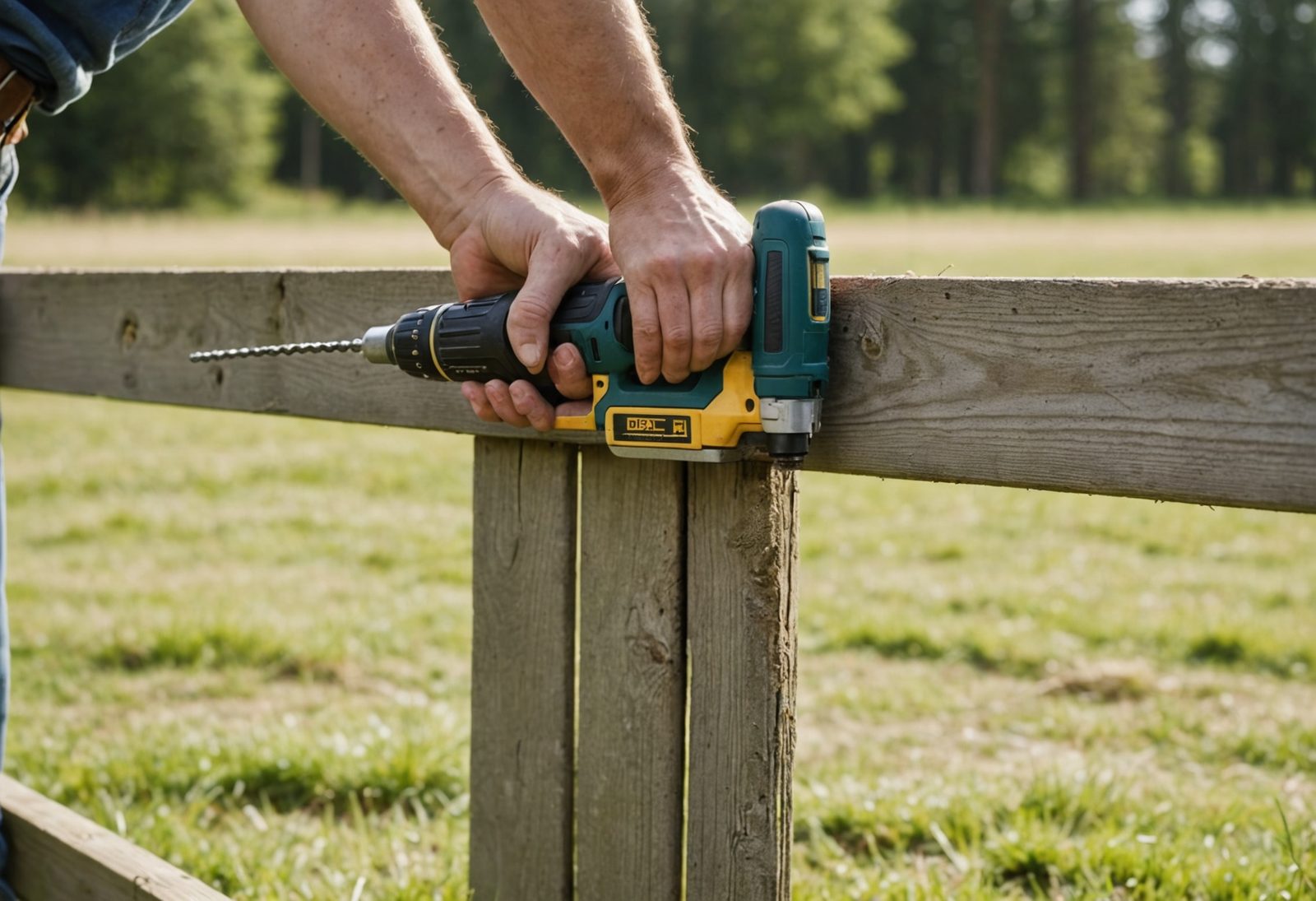
A straight run of wood or vinyl fence asks for a few skills: setting posts so they stand plumb, fixing rails so the run stays square, hanging panels or pickets evenly, and hanging a gate that closes without dragging. Each is learned by doing it once on a scrap length before the real one. Treated wood adds a step. A cut post end has to be re-treated with preservative, and a painted post should air-dry for a few months before it is painted, so cutting and finishing are separate jobs with a wait between them. The University of Kentucky extension guide on installing wood posts sets out why, in plain terms.
The questions a beginner asks before the first post
- Can a careful beginner build a whole fence alone?
- A straight, low fence on level ground is within reach of a careful beginner who reads the product's instructions and accepts a slower pace. A pool barrier, a self-latching gate, a corner lot or a boundary is better handed to someone who has done it before.
- What has to happen before the first hole?
- A Dig Safe notice, with the dig area premarked in white first. Massachusetts requires at least 72 hours' notice, not counting weekends or legal holidays, so a Friday request is not ready to dig on Monday. The ticket also expires if digging does not start within 30 days of issue, per the Dig Safe FAQs.
- Which steps are better hired out?
- Pool barriers, which carry their own measured rules, and any gate that must close and latch on its own. A boundary line is a surveyor's job, not a guess made with a tape. Anything that needs a permit or a zoning check should go through the office that issues it. The pool barrier figures are in the band further down.
- Where should a beginner read first?
- Start with the manufacturer's installation instructions for the fence you choose, then the extension guide linked above for posts. Those two cover the work itself. The state code and your town's guidelines cover what the work is allowed to be, and the town is the one to ask for anything the state leaves to it.
Pool barrier figures that settle the job
The three figures below come from the Town of Plymouth's printed notice of the state pool-barrier rules. A town may set stricter rules, so check the local office before you buy.